

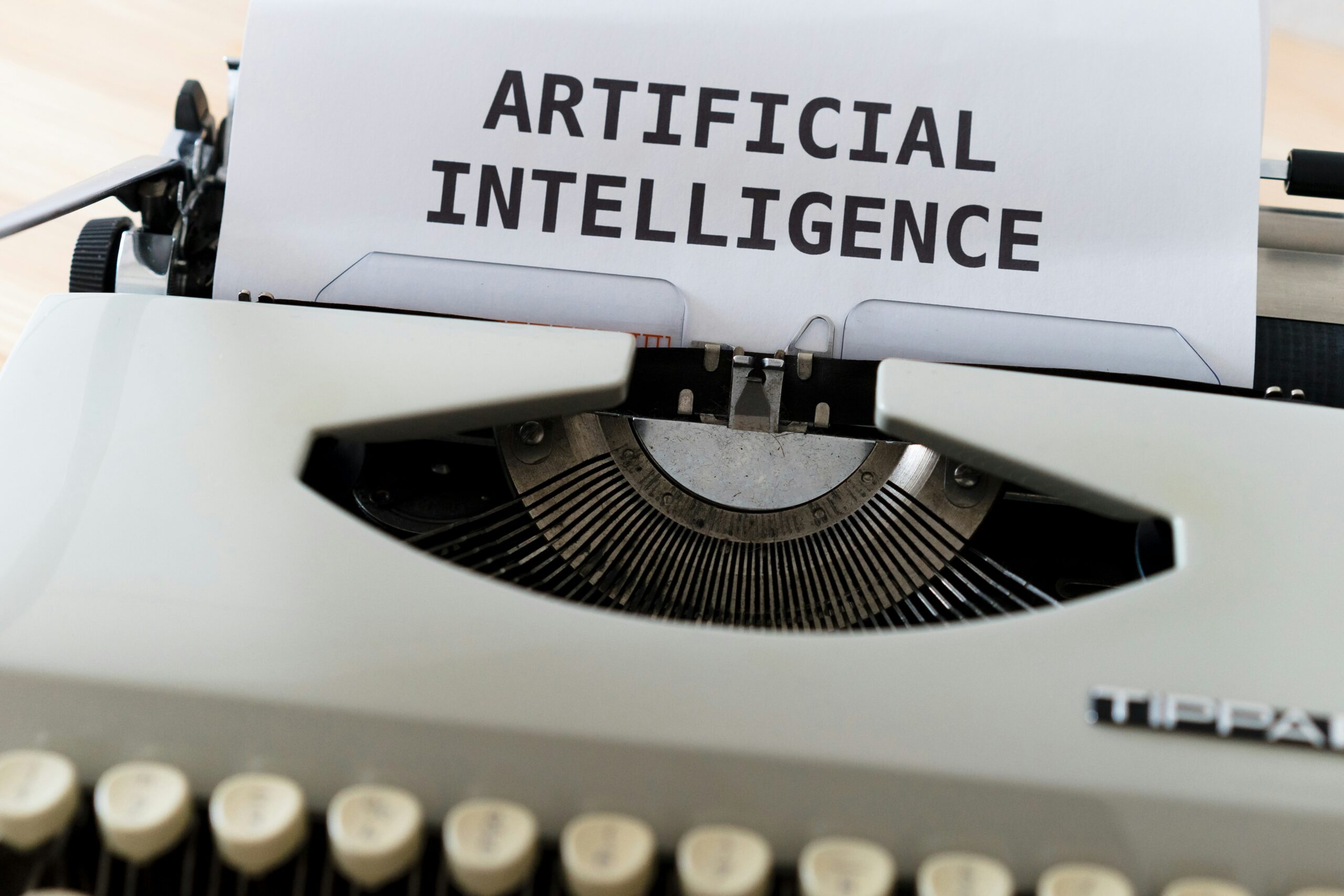
Artificial Intelligence (AI) has rapidly transformed from a niche area of research into a pervasive force that shapes our daily lives. From the algorithms that curate our social media feeds to the systems that assist in medical diagnoses, AI is woven into the fabric of modern society. However, as we embrace these technological advancements, we must also confront the ethical implications that accompany them. The question of how we can harness AI responsibly is not merely a technical challenge; it is a profound philosophical inquiry into the nature of intelligence, decision-making, and the values we hold dear.
At its core, the ethical landscape of AI is a reflection of our own values and priorities. As we delegate more decision-making power to machines, we must consider what it means for these systems to operate within a framework of fairness, accountability, and respect for human dignity. The implications of AI extend beyond mere efficiency or convenience; they touch upon fundamental questions about justice, autonomy, and the very essence of what it means to be human in an increasingly automated world. As we navigate this complex terrain, it is essential to engage in thoughtful dialogue about the ethical principles that should guide the development and deployment of AI technologies.
In exploring the intricate relationship between philosophy and artificial intelligence, one can gain valuable insights from the article found at Philosophy for Lunch. This resource delves into various philosophical themes, including the ethical implications of AI, the nature of consciousness, and the potential impact of intelligent machines on society. By engaging with these topics, readers can better understand the foundational questions that arise as we integrate AI into our daily lives.
Bias and Discrimination in AI Algorithms
One of the most pressing ethical concerns surrounding AI is the potential for bias and discrimination embedded within algorithms. These systems are often trained on vast datasets that reflect historical patterns of human behavior, which can inadvertently perpetuate existing inequalities. For instance, if an AI system is trained on data that includes biased hiring practices, it may learn to favor certain demographics over others, leading to discriminatory outcomes in recruitment processes. This phenomenon raises critical questions about fairness and justice in a world increasingly governed by algorithmic decision-making.
The implications of biased AI extend beyond individual cases; they can reinforce systemic inequalities across society. Consider facial recognition technology, which has been shown to misidentify individuals from marginalized communities at higher rates than those from majority groups. Such discrepancies not only undermine trust in these technologies but also pose significant risks to civil liberties and social cohesion. Addressing bias in AI requires a concerted effort to scrutinize the data used for training, as well as the algorithms themselves. It calls for a commitment to inclusivity and diversity in both the development process and the datasets that inform these systems.
Privacy Concerns in AI Technology

As AI systems become more integrated into our lives, privacy concerns loom large. The ability of these technologies to collect, analyze, and store vast amounts of personal data raises fundamental questions about consent and surveillance. For instance, smart devices that monitor our daily activities can provide convenience but also create a detailed profile of our behaviors and preferences. This data can be exploited by corporations or governments, leading to potential invasions of privacy that many individuals may not fully comprehend.
Moreover, the challenge of maintaining privacy in an AI-driven world is compounded by the opacity of many algorithms. Users often have little understanding of how their data is being used or who has access to it. This lack of transparency can lead to a sense of helplessness among individuals who feel their personal information is being commodified without their explicit consent. As we navigate this landscape, it is crucial to advocate for robust privacy protections that empower individuals to control their own data while fostering trust in the technologies that shape our lives.
Accountability and Responsibility in AI Development

The question of accountability in AI development is a complex one, particularly when these systems make decisions with significant consequences. Who is responsible when an AI system malfunctions or produces harmful outcomes? Is it the developers who created the algorithm, the companies that deployed it, or the users who relied on its recommendations? This ambiguity complicates our understanding of responsibility in an age where machines increasingly influence critical aspects of our lives.
To address these challenges, it is essential to establish clear frameworks for accountability that delineate roles and responsibilities among stakeholders. This might involve creating regulatory bodies that oversee AI development or implementing standards for ethical practices within organizations. By fostering a culture of accountability, we can ensure that those involved in creating and deploying AI technologies are held responsible for their impact on society. This approach not only promotes ethical behavior but also encourages innovation that prioritizes human well-being.
The philosophy of artificial intelligence raises intriguing questions about the nature of consciousness and the ethical implications of creating intelligent machines. A thought-provoking article that delves into these themes can be found at this link, where it explores the intersection of technology and human values. If you’re interested in understanding how our perceptions of intelligence shape our interactions with AI, you might find this piece particularly enlightening. For more insights, check out the article here.
Impact of AI on Employment and Workforce
| Topic | Metrics |
|---|---|
| Definition | The study of the nature of intelligence and the development of artificial systems that can demonstrate intelligent behavior. |
| Key Questions | What is intelligence? Can it be replicated in machines? What are the ethical implications of creating intelligent machines? |
| Approaches | Symbolic AI, Connectionism, Computationalism, and Embodied cognition. |
| Philosophical Issues | Consciousness, intentionality, free will, and moral agency in AI systems. |
| Ethical Considerations | Privacy, bias, job displacement, and the potential for autonomous weapons. |
The rise of AI has sparked widespread debate about its impact on employment and the future of work. While some argue that automation will lead to job displacement and economic inequality, others contend that it will create new opportunities and enhance productivity. The reality likely lies somewhere in between; as certain tasks become automated, new roles will emerge that require different skill sets. However, this transition poses significant challenges for workers who may find themselves unprepared for the changing landscape.
To navigate this shift effectively, it is crucial to invest in education and training programs that equip individuals with the skills needed for an AI-driven economy. This includes not only technical skills but also soft skills such as critical thinking and adaptability. By fostering a workforce that is resilient and capable of embracing change, we can mitigate the negative effects of automation while harnessing its potential for innovation and growth. Ultimately, the goal should be to create a future where humans and machines collaborate harmoniously rather than compete against one another.
AI and Human Rights Violations
The intersection of AI technology and human rights raises urgent ethical questions that demand our attention. In various contexts around the world, AI systems have been employed in ways that infringe upon fundamental rights such as privacy, freedom of expression, and even the right to life. For example, surveillance technologies powered by AI can enable oppressive regimes to monitor dissenters and stifle free speech, leading to a chilling effect on civil liberties.
Moreover, the use of AI in law enforcement raises concerns about racial profiling and unjust treatment of marginalized communities. Predictive policing algorithms may disproportionately target certain demographics based on historical crime data, perpetuating cycles of discrimination and injustice. As we grapple with these issues, it is imperative to advocate for ethical guidelines that prioritize human rights in the development and deployment of AI technologies. This includes ensuring that AI systems are designed with safeguards against abuse and are subject to oversight by independent bodies committed to upholding human dignity.
Ethical Considerations in AI Decision-Making
The ethical considerations surrounding AI decision-making are multifaceted and complex. As machines take on more decision-making roles—whether in healthcare diagnostics or criminal justice sentencing—we must grapple with questions about morality and values embedded within these systems. What ethical frameworks should guide AI decision-making? How do we ensure that these systems align with our collective values as a society?
One approach is to incorporate ethical reasoning directly into AI algorithms, allowing them to weigh potential consequences against moral principles. However, this raises its own set of challenges: how do we codify ethics into mathematical models? Different cultures may have varying interpretations of what constitutes ethical behavior, complicating efforts to create universally applicable guidelines. Engaging diverse stakeholders in discussions about ethical frameworks can help bridge these gaps and foster a more inclusive approach to AI decision-making.
Transparency and Explainability in AI Systems
Transparency and explainability are critical components of ethical AI development. As algorithms become increasingly complex, understanding how they arrive at specific decisions becomes more challenging for both users and developers alike. This opacity can lead to mistrust among users who may feel at the mercy of “black box” systems whose inner workings are inscrutable.
To address this issue, there is a growing call for explainable AI—systems designed to provide clear insights into their decision-making processes. By making algorithms more transparent, we empower users to understand how decisions are made and hold systems accountable for their outcomes. This not only fosters trust but also enables individuals to challenge decisions they perceive as unjust or erroneous. Striking a balance between complexity and comprehensibility will be essential as we continue to integrate AI into various aspects of society.
Legal and Regulatory Challenges in AI Ethics
The rapid pace of technological advancement poses significant challenges for legal frameworks designed to govern AI ethics. Existing laws often struggle to keep up with the evolving landscape of AI technologies, leaving gaps that can be exploited or lead to unintended consequences. For instance, current regulations may not adequately address issues related to data privacy or algorithmic bias, resulting in a lack of accountability for harmful outcomes.
To navigate these challenges effectively, policymakers must engage with technologists, ethicists, and civil society organizations to develop comprehensive regulatory frameworks that address the unique characteristics of AI systems. This collaborative approach can help ensure that regulations are not only effective but also adaptable to future developments in technology. By fostering an environment where ethical considerations are integrated into legal frameworks from the outset, we can create a more just and equitable society.
The Role of Ethics Committees in AI Development
Ethics committees play a vital role in guiding the responsible development of AI technologies. These interdisciplinary groups bring together experts from various fields—such as philosophy, law, computer science, and social sciences—to evaluate the ethical implications of AI projects before they are implemented. By providing oversight and guidance throughout the development process, ethics committees can help identify potential risks and ensure that ethical considerations are prioritized.
Moreover, ethics committees can serve as platforms for public engagement, allowing diverse voices to contribute to discussions about the societal impact of AI technologies. This inclusivity fosters transparency and accountability while promoting a culture of ethical awareness within organizations developing AI systems. As we move forward into an era defined by artificial intelligence, empowering ethics committees will be crucial for navigating the complex moral landscape ahead.
Future Considerations for Ethical AI Implementation
Looking ahead, the implementation of ethical principles in AI development will require ongoing vigilance and adaptation as technology continues to evolve. As new challenges arise—such as those related to deepfakes or autonomous weapons—our ethical frameworks must remain flexible enough to address emerging concerns while upholding fundamental values like justice and human rights.
Collaboration among stakeholders will be essential for fostering an environment where ethical considerations are prioritized throughout the lifecycle of AI technologies—from conception through deployment and beyond. By engaging diverse perspectives and promoting interdisciplinary dialogue, we can cultivate a shared understanding of what constitutes responsible AI development.
Ultimately, the future of ethical AI implementation hinges on our collective commitment to ensuring that technology serves humanity rather than undermines it. By embracing this responsibility with curiosity and care, we can navigate the complexities of an increasingly automated world while safeguarding our shared values for generations to come.
FAQs
What is the philosophy of artificial intelligence?
The philosophy of artificial intelligence (AI) explores the ethical, moral, and metaphysical implications of creating intelligent machines. It delves into questions about the nature of consciousness, the potential impact of AI on society, and the ethical considerations of creating machines that can think and act autonomously.
What are the main ethical concerns in the philosophy of artificial intelligence?
Some of the main ethical concerns in the philosophy of artificial intelligence include issues related to privacy, bias and discrimination in AI algorithms, the potential for job displacement due to automation, and the implications of creating machines that may possess consciousness or emotions.
How does the philosophy of artificial intelligence relate to the field of ethics?
The philosophy of artificial intelligence intersects with the field of ethics by raising questions about the moral implications of creating intelligent machines. This includes considerations of how AI should be used, the potential impact on human rights, and the responsibilities of creators and users of AI technology.
What are some of the key debates in the philosophy of artificial intelligence?
Key debates in the philosophy of artificial intelligence include discussions about the possibility of creating truly conscious machines, the ethical considerations of AI in warfare and autonomous weapons, and the impact of AI on human identity and relationships.
How does the philosophy of artificial intelligence influence the development and regulation of AI technology?
The philosophy of artificial intelligence plays a crucial role in shaping the development and regulation of AI technology by informing discussions about the ethical and moral considerations of AI. It helps guide decisions about the responsible use of AI, the development of ethical guidelines, and the establishment of regulatory frameworks for AI technology.